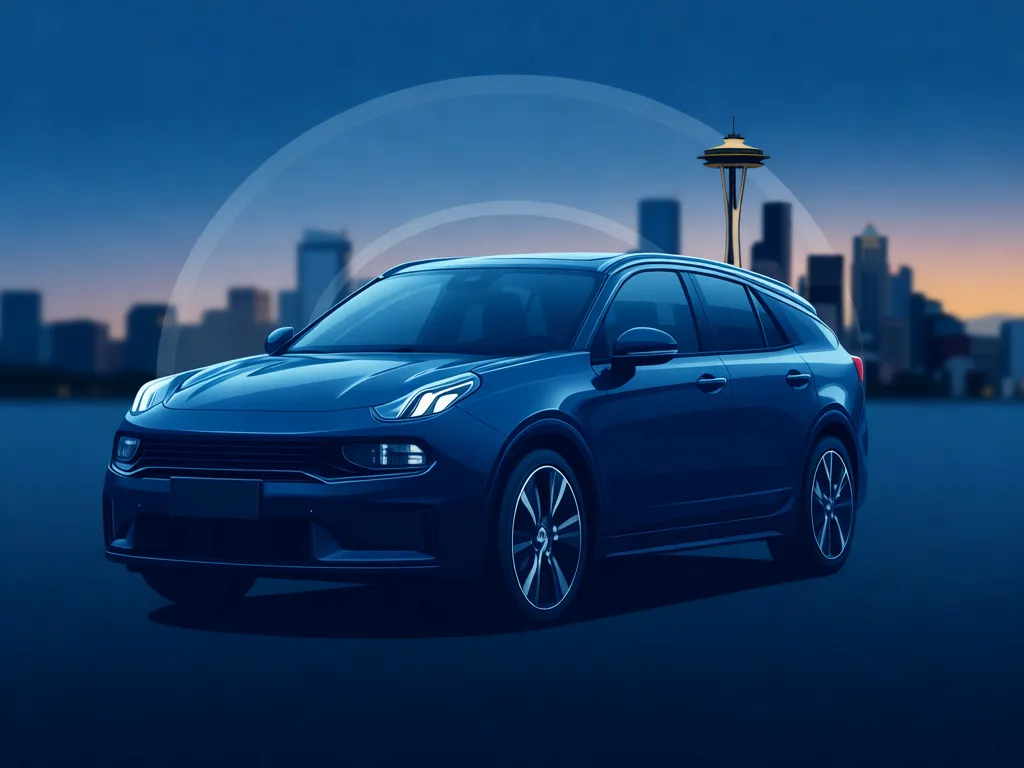
Seattle (Washingon) is a city known for its rainy weather, busy streets, and a high concentration of tech workers. These characteristics shape how auto insurers calculate premiums for drivers in the area. Whether you’re a new resident or a long‑time commuter, understanding the local market can help you secure a policy that balances cost and protection.
Read also: Denver (CO) Car Insurance Quotes
Why Seattle (Washingon) Rates Differ From Other U.S. Cities
Several local variables influence Seattle (Washingon) car insurance rates:
- Weather patterns – Frequent rain and occasional snow increase the likelihood of weather‑related accidents and vehicle damage.
- Traffic congestion – Dense traffic and frequent stop‑and‑go driving raise collision risk.
- Theft and vandalism rates – Seattle has a moderate vehicle theft rate compared to other major cities, which can affect liability and comprehensive coverage costs.
- Urban density – High population density means more exposure to pedestrians and cyclists, influencing personal injury protection premiums.
- State regulations – Washington state has specific minimum coverage requirements and no deductible cap on certain policies.
Because of these factors, a policy that works in a rural area might be more expensive or offer less value in Seattle (Washingon). That’s why local comparison tools are essential.
Key Coverage Options for Seattle (Washingon) Drivers
When building a Seattle (Washingon) policy, consider the following core coverages and how they interact with local risks:
Liability Coverage
Washington requires a minimum of 25/50/25 ($25,000 bodily injury per person, $50,000 per accident, $25,000 property damage). Many drivers opt for higher limits to protect against costly lawsuits, especially in a city with a high number of pedestrian incidents.
Collision and Comprehensive
Collision is mandatory if you have a loan or lease, and comprehensive covers theft, vandalism, and weather damage. In Seattle’s rainy climate, comprehensive can save money on repairs after hail or flooding.
Medical Payments (MedPay) and Personal Injury Protection (PIP)
Washington does not require MedPay, but PIP is optional. PIP can cover medical expenses regardless of fault, which is useful in a city where traffic accidents can involve pedestrians or cyclists.
Uninsured/Underinsured Motorist (UM/UIM)
Seattle’s high traffic volume means more exposure to uninsured drivers. Adding UM/UIM protection can protect you if the other driver is at fault and lacks sufficient coverage.
Optional Add‑Ons
- Roadside assistance – valuable in a city with many commuters.
- Rental reimbursement – useful if your vehicle is in the shop for a long time.
- Gap insurance – important for new cars with high depreciation rates.
How to Compare Quotes in Seattle (Washingon)
Follow a structured approach to avoid missing critical details:
- Gather baseline data: vehicle make, model, year, mileage, and your driving history.
- Use an online comparison tool that lists Seattle (Washingon) insurers.
- Request quotes from at least three providers, ensuring each includes the same coverage levels.
- Compare deductible options: higher deductibles often lower premiums but increase out‑of‑pocket costs.
- Check for local discounts: many insurers offer savings for safe driving, multiple policies, or specific occupations common in Seattle.
- Read policy fine print: look for exclusions that could affect coverage in rainy or high‑traffic scenarios.
- Calculate total annual cost: include premium, deductible, and any additional fees.
- Contact a licensed agent if the policy terms seem unclear or if you need help tailoring coverage to your lifestyle.
Common Mistakes and How to Avoid Them
Even seasoned drivers can fall into these pitfalls:
- Underestimating liability limits – A 25/50/25 policy may not cover large medical bills or property damage in a multi‑vehicle collision.
- Choosing a low deductible without evaluating repair costs – In Seattle, repair costs can be high due to specialized labor and parts.
- Ignoring weather‑related coverage – Comprehensive is often overlooked, yet it protects against hail, flooding, and vandalism.
- Not updating coverage after major life changes – Moving to a different neighborhood or buying a new car can alter risk profiles.
- Overlooking state‑specific discounts – Washington offers discounts for certain professions and for installing anti‑theft devices.
When to Consult a Licensed Agent
While online tools provide a quick estimate, a licensed professional can help in these situations:
- You have a complex vehicle (e.g., a classic car or a high‑value electric vehicle).
- You’re a new driver or have a recent accident on your record.
- You need to understand how state law interacts with your policy.
- You want to bundle auto insurance with home or renters insurance for potential discounts.
FAQ
What is the minimum liability coverage required in Seattle (Washingon)?
Washington requires 25/50/25 coverage. Many drivers choose higher limits for better protection.
Does Seattle’s rainy weather affect my insurance premium?
Yes. Frequent rain and occasional snow increase claims for weather damage, so comprehensive coverage is often more valuable.
Can I get a discount for installing a car alarm in Seattle (Washingon)?
Many insurers offer a discount for anti‑theft devices, but the exact amount varies by provider. Verify with each insurer.