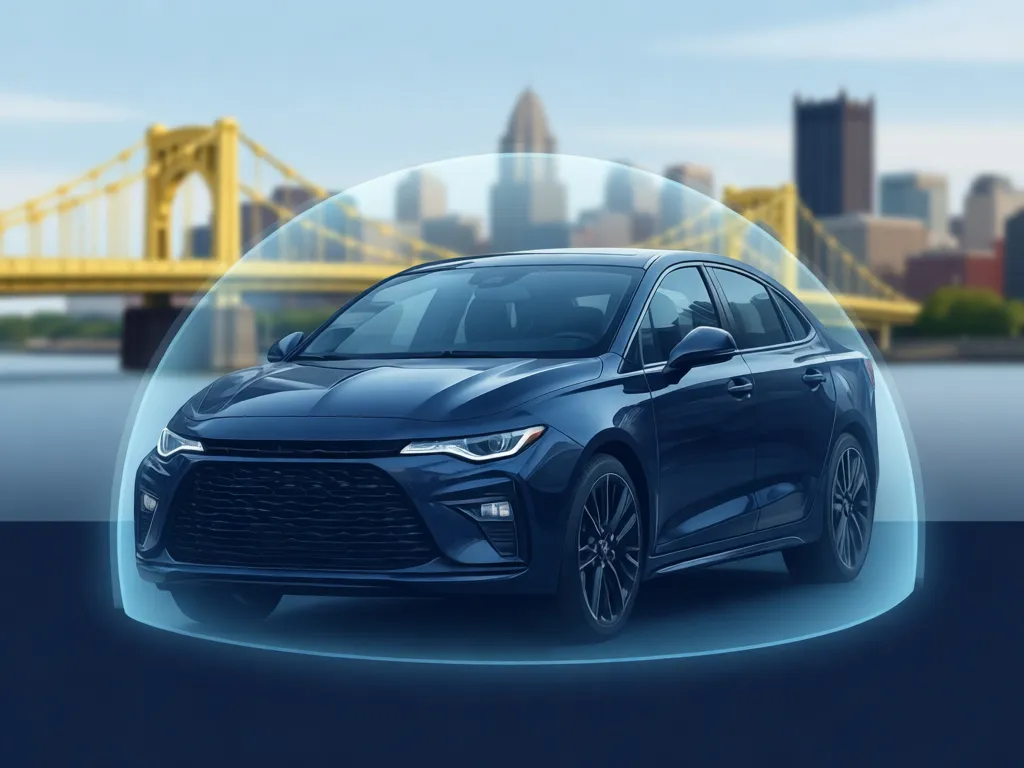
When you’re looking for a reliable auto policy in Pittsburgh (PA), the first thing to recognize is that the city’s unique blend of weather, traffic patterns, and local regulations shapes how insurers calculate premiums. Below, we break down the key elements that affect rates, explain coverage choices, and give you a practical roadmap for comparing quotes.
Read also: St. Louis (MO) Car Insurance Quotes
1. Local Factors That Influence Pittsburgh (PA) Premiums
Insurance companies use data on a city’s accident history, theft rates, and weather patterns to estimate risk. In Pittsburgh, the following elements are especially relevant:
- Seasonal Weather: Heavy snowfall and ice in winter increase collision risk, while spring thaw can cause slick roads.
- Urban Traffic: Downtown Pittsburgh experiences high vehicle density and frequent stop‑and‑go driving, which raises the likelihood of minor incidents.
- Theft Rates: Pittsburgh’s theft statistics are moderate compared to other large cities, but certain neighborhoods may have higher rates that can affect local premiums.
- Road Infrastructure: The city’s mix of bridges, tunnels, and older streets can influence accident frequency and repair costs.
2. Core Coverage Options and How They Affect Cost
Understanding the three pillars of auto insurance—liability, collision, and comprehensive—helps you tailor a policy to your needs and budget.
Liability Coverage
Liability protects you if you cause damage to another vehicle or property. In Pennsylvania, the minimum required limits are 25/50/25 (bodily injury per person, bodily injury per accident, property damage). Many drivers opt for higher limits to safeguard against large claims.
Collision Coverage
Collision pays for repairs to your own vehicle after a collision, regardless of fault. The cost depends largely on your deductible choice; a higher deductible typically lowers the monthly premium.
Comprehensive Coverage
Comprehensive covers non‑collision incidents such as theft, vandalism, or natural disasters. In Pittsburgh, snow damage and hail are common triggers for comprehensive claims.
3. Choosing Deductibles: The Cost‑Benefit Trade‑Off
Deductibles are the amount you pay out of pocket before insurance kicks in. A higher deductible reduces your premium but increases your financial responsibility in a claim.
- $250 deductible: Lower premium, but you’ll pay more if a claim occurs.
- $500 deductible: Balanced approach for most drivers.
- $1,000 deductible: Lowest premium, best for high‑value vehicles or drivers with a strong savings cushion.
4. Step‑by‑Step Comparison Process for Pittsburgh (PA) Drivers
- Gather personal data: age, driving record, vehicle make/model, and current insurance details.
- Identify the coverage levels you need based on your vehicle’s value and your risk tolerance.
- Use an online quote tool or contact multiple insurers directly to receive personalized quotes.
- Compare the Premium, Deductible, Coverage Limits, and Exclusions side‑by‑side.
- Ask each insurer about available discounts: safe‑driving, multi‑policy, or local community discounts.
- Read the fine print for any hidden fees or policy restrictions.
- Verify that the policy meets Pennsylvania’s minimum requirements and any local Pittsburgh regulations.
- Choose the policy that balances cost, coverage, and customer service reputation.
5. Common Mistakes That Inflate Pittsburgh (PA) Premiums
- Ignoring the impact of a poor credit score on rates.
- Choosing the lowest possible deductible without considering the likelihood of a claim.
- Failing to update coverage after major life changes (moving to a new neighborhood, buying a newer car).
- Assuming all discounts apply automatically; many require proof or enrollment.
- Overlooking the benefits of bundling auto with homeowners or renters insurance.
6. How to Make a Better‑Informed Decision
Beyond price, evaluate insurers on:
- Customer service ratings and claim handling speed.
- Financial stability scores from rating agencies.
- Availability of digital tools such as mobile apps and online claim filing.
- Optional add‑ons like roadside assistance or rental reimbursement that may be useful in Pittsburgh’s winter conditions.
7. When to Seek Professional Advice
While many drivers can confidently compare quotes online, certain situations warrant a licensed insurance agent or broker:
- Complex vehicle usage (commercial, rideshare, or high‑value classic cars).
- Recent changes in state law or local regulations that affect coverage requirements.
- Large claims history or multiple accidents in the past few years.
- Need for customized coverage such as gap insurance for leased vehicles.
FAQ
Q1: Does Pittsburgh (PA) have a higher average car insurance cost than the national average?
A1: Premiums in Pittsburgh are generally close to the national average, but local factors like winter weather and traffic congestion can push rates slightly higher. Actual costs vary by individual circumstances.
Q2: What discounts are commonly available for Pittsburgh residents?
A2: Many insurers offer discounts for safe driving records, multi‑policy bundles, and completion of defensive‑driving courses. Pittsburgh‑specific community discounts may also exist, so ask each provider.
Q3: How often should I review my car insurance policy in Pittsburgh?
A3: It’s wise to review your coverage annually or after any major life change such as moving to a different neighborhood, purchasing a new vehicle, or changing your driving habits.