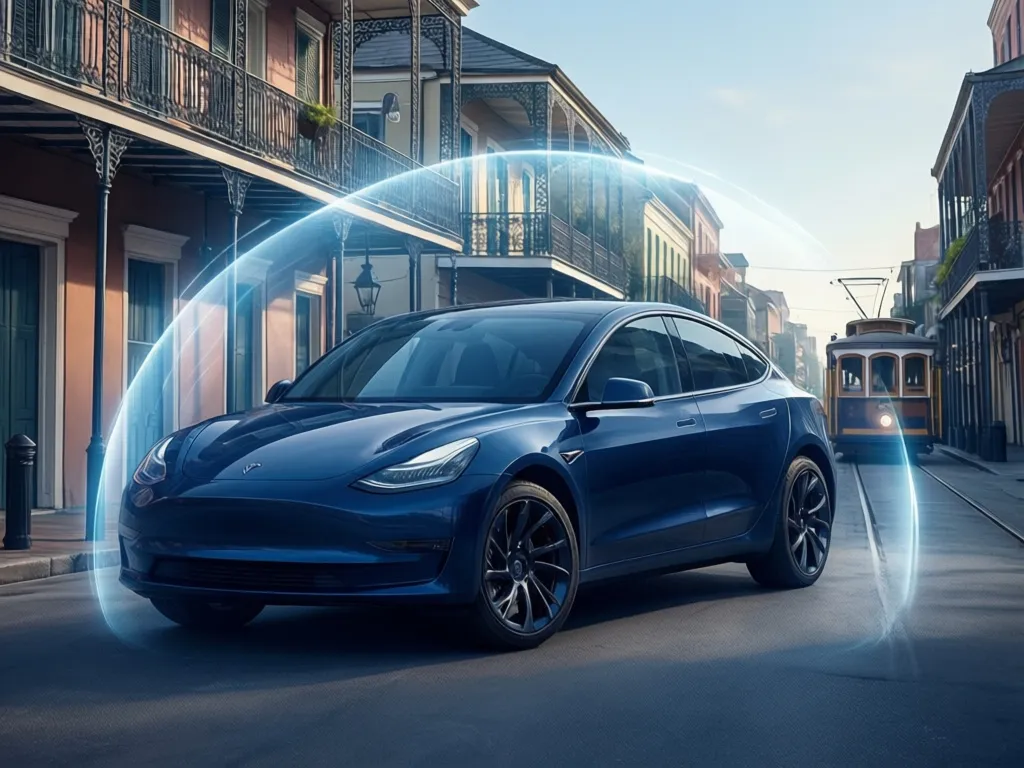
New Orleans (LA) is a city where the rhythm of life is as vibrant as its weather. For drivers, that same vibrancy translates into a unique set of factors that shape auto insurance costs. From seasonal hurricanes to a high rate of vehicle theft, understanding these elements is the first step toward finding a policy that balances protection and price.
Read also: Honolulu (HI) Car Insurance Quotes
Local Factors That Drive Premiums in New Orleans (LA)
Insurance companies use a combination of demographic and environmental data to calculate risk. In New Orleans, three primary drivers stand out:
- Weather hazards: Hurricanes, flooding, and heavy rainfall can cause significant property damage, leading insurers to adjust rates for potential claims.
- Crime and theft rates: The city’s vehicle theft statistics influence the likelihood of a claim, especially for high‑value or luxury cars.
- Traffic density and accident frequency: Busy streets, especially near tourist attractions, increase collision risk, affecting liability and collision coverage costs.
Choosing the Right Coverage Mix
New Orleans drivers often face a decision between standard liability limits and more comprehensive plans. Here’s a quick breakdown of the most common coverage types:
- Liability coverage: Covers bodily injury and property damage to others. Minimum state requirements exist, but many drivers opt for higher limits to protect personal assets.
- Collision coverage: Pays for damage to your vehicle after an accident, regardless of fault. Useful if you have a newer or higher‑value car.
- Comprehensive coverage: Protects against non‑collision events such as theft, vandalism, or natural disasters—critical in a hurricane‑prone area.
- Uninsured/underinsured motorist protection: Covers you if the at‑fault driver lacks sufficient insurance, a common scenario in busy urban traffic.
- Medical payments and personal injury protection (PIP): Helps cover medical expenses and lost wages, which can be significant after a collision.
How Deductibles Affect Your Premium
Choosing a higher deductible generally lowers your monthly premium, but it also raises out‑of‑pocket costs when a claim is filed. In New Orleans, where weather‑related claims are common, a moderate deductible (e.g., $500) often provides a good balance between cost and protection.
Step‑by‑Step Comparison Process
Finding the best quote involves more than a quick online search. Follow these steps to compare policies effectively:
- Gather vehicle data: make, model, year, VIN, and any aftermarket modifications.
- List personal details: driving history, age, residency duration, and any special discounts (e.g., good student, military).
- Use a dedicated comparison tool: enter the same information for at least five insurers that operate in Louisiana.
- Compare coverage options side‑by‑side, noting limits, deductibles, and any bundled discounts.
- Read the fine print: pay attention to exclusions, such as damage caused by flooding, which may require separate riders.
- Contact a licensed agent if you need clarification on state‑specific requirements or complex coverage needs.
Example Scenario: A 2023 Sedan for a 25‑Year‑Old Driver
Suppose a 25‑year‑old resident of New Orleans owns a 2023 Toyota Camry. Their driving record is clean, but they live in a high‑theft neighborhood. A typical quote might look like:
| Coverage | Standard Limit | Premium Range (per year) |
|---|---|---|
| Liability | $100,000 / $300,000 | $1,200 – $1,600 |
| Collision | Full coverage | $300 – $500 |
| Comprehensive | Full coverage | $250 – $450 |
| Uninsured Motorist | $100,000 | $100 – $150 |
Adding a theft protection rider could add $75 annually but might be worthwhile given local crime rates.
Common Mistakes and How to Avoid Them
- Underestimating flood coverage: Louisiana’s flood risk is not always included in standard policies. Verify whether your insurer offers a separate flood rider.
- Choosing the lowest premium without reviewing limits: A cheaper policy may have lower liability limits that could leave you exposed in a major accident.
- Ignoring bundling opportunities: Many insurers offer discounts when auto insurance is paired with homeowners or renters policies.
- Failing to update coverage after a vehicle upgrade: Adding a new feature or changing your car’s value can affect the policy’s adequacy.
When to Seek Professional Guidance
While online tools provide a solid starting point, certain situations warrant a licensed agent’s expertise:
- Complex insurance needs, such as commercial vehicle coverage or high‑value collectibles.
- Uncertainty about state‑specific regulations, especially after recent legislative changes.
- Disputes over claim handling or coverage denial that require advocacy.
Frequently Asked Questions
1. How does a hurricane affect my car insurance premium in New Orleans (LA)?
Insurers factor in the probability of weather‑related claims. While a single hurricane event may not immediately raise your rate, a pattern of frequent flooding or wind damage can lead to higher premiums over time.
2. Is comprehensive coverage mandatory in Louisiana?
No. Louisiana requires only liability coverage. However, comprehensive coverage is highly recommended in New Orleans due to the city’s vulnerability to theft and natural disasters.
3. Can I get a discount for installing a car alarm or GPS tracker?
Many insurers offer reduced rates for anti‑theft devices. Verify with each provider whether such discounts apply and what specific equipment qualifies.