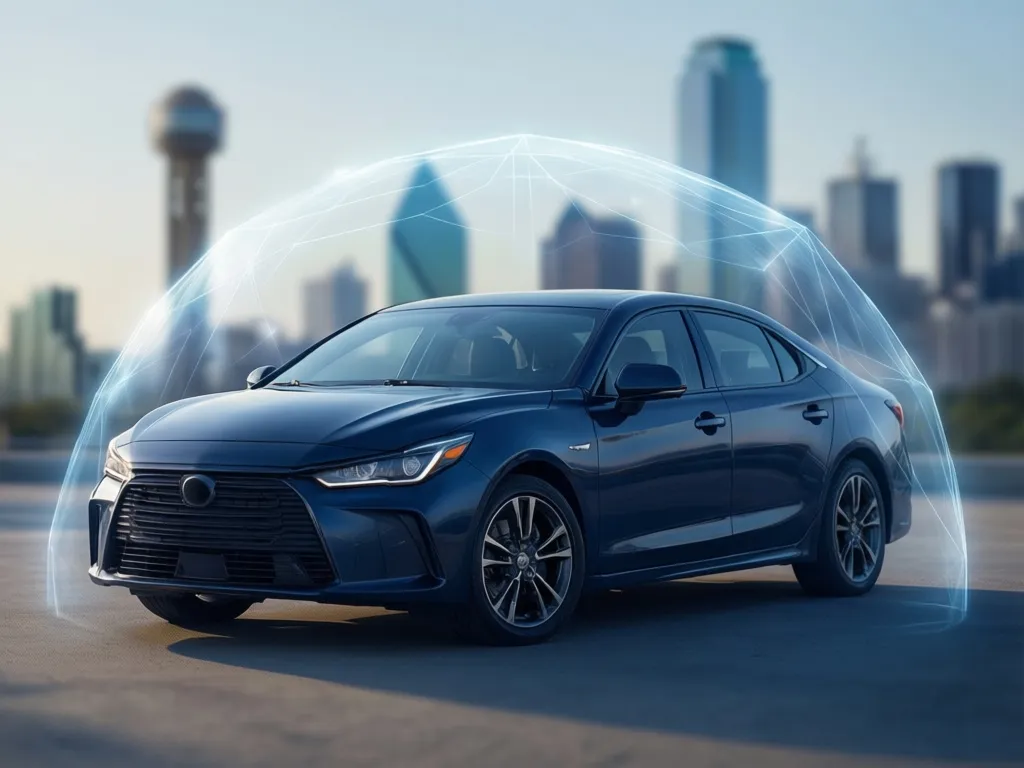
Dallas (TX) car insurance rates are shaped by a mix of local traffic patterns, weather, theft statistics, and state regulations. Whether you’re a new resident or a long‑time driver, understanding these factors can help you find a policy that balances cost and protection.
Read also: Fort Worth (TX) Car Insurance Quotes | Compare Rates
1. Local Rate Influences in Dallas (TX)
Insurance companies use detailed data to price policies. In Dallas, several elements play a prominent role:
- Traffic congestion – High‑volume streets like I‑35 and the downtown loop often increase collision risk.
- Accident frequency – Dallas reports a moderate rate of traffic incidents compared to national averages.
- Vehicle theft rates – Certain neighborhoods experience higher theft, influencing premiums for high‑value vehicles.
- Weather conditions – Severe storms, hail, and occasional flooding can affect damage claims.
- State‑wide regulations – Texas requires minimum liability limits but allows higher coverage for added protection.
Why These Factors Matter
Each factor feeds into the actuarial models insurers use. For example, a driver living near the Oak Lawn area may face a slightly higher premium due to elevated theft statistics, whereas a commuter on the suburbs may benefit from lower collision exposure.
2. Coverage Options Tailored to Dallas Residents
Choosing the right coverage depends on your vehicle, driving habits, and risk tolerance. Below are the core components you’ll encounter:
- Liability Coverage – Covers bodily injury and property damage to others. Texas minimums are $30,000 for bodily injury per person, $60,000 per accident, and $25,000 for property damage.
- Collision Coverage – Pays for damage to your own vehicle after a collision, regardless of fault.
- Comprehensive Coverage – Covers non‑collision events like theft, vandalism, or weather damage.
- Uninsured/Underinsured Motorist Protection – Important in Texas where a significant percentage of drivers may lack sufficient coverage.
- Medical Payments (MedPay) – Covers medical expenses for you and passengers regardless of fault.
- Roadside Assistance & Rental Reimbursement – Adds convenience for out‑of‑area trips.
Choosing Deductibles
Higher deductibles usually lower monthly premiums but increase out‑of‑pocket costs in a claim. A typical range in Dallas is $500–$1,000 for collision and $250–$500 for comprehensive. Consider your financial cushion and how often you drive.
3. Comparing Premiums: A Step‑by‑Step Process
Follow this systematic approach to compare quotes accurately:
- Gather Personal Data – Driver’s age, driving record, vehicle make/model, mileage, and location.
- Set Desired Coverage Levels – Decide on liability limits, collision/comprehensive deductibles, and additional riders.
- Use Multiple Quote Tools – Enter identical information on at least three reputable platforms or directly with insurers.
- Analyze the Breakdown – Look beyond the total premium; examine how each coverage component contributes to the cost.
- Check State‑Specific Discounts – Texas offers discounts for safe driving, multiple policies, or certain professions.
- Ask About Bundling – Combining auto with homeowners or renters insurance often yields savings.
- Review the Fine Print – Ensure exclusions, coverage limits, and claim procedures align with your needs.
Example Scenario
Jane, a 32‑year‑old teacher in Dallas, drives a 2018 Honda Civic. She requests a $1,000 deductible for both collision and comprehensive. After submitting her details to three insurers, she receives the following:
| Insurer | Premium | Coverage Summary |
|---|---|---|
| Insurer A | $1,200/year | Liability 30/60/25, Collision $1,000, Comprehensive $1,000 |
| Insurer B | $1,150/year | Liability 30/60/25, Collision $1,000, Comprehensive $1,000, Uninsured Motorist $50,000 |
| Insurer C | $1,300/year | Liability 30/60/25, Collision $500, Comprehensive $500, Roadside Assistance |
Jane’s decision will hinge on whether the extra coverage from Insurer B justifies the slightly higher premium.
4. Common Pitfalls for Dallas Drivers
- Assuming the lowest quote is best – lower premiums may mean lower coverage limits or higher deductibles.
- Ignoring local risk factors – a policy that works in a low‑theft suburb may be inadequate in a higher‑risk area.
- Skipping annual policy reviews – life changes (new vehicle, new job, moving neighborhoods) can alter risk profiles.
- Overlooking state‑specific discounts – Texas offers discounts for safe driving courses and certain professions that many overlook.
- Failing to understand claim processes – some insurers require a minimum deductible before paying out.
5. When to Seek Professional Guidance
While online tools are convenient, certain situations warrant a licensed agent or broker:
- Complex coverage needs such as commercial vehicles or high‑value cars.
- Multiple policy holders in a household needing bundled discounts.
- Disputes over claim handling or coverage disputes.
- Recent changes in Texas insurance law that may affect coverage requirements.
An agent can help interpret policy language, negotiate terms, and ensure compliance with state regulations.
FAQ
Q1: How does Dallas weather affect my auto insurance premium?
A1: Severe weather events like hail or flooding can increase claims, prompting insurers to adjust rates. Comprehensive coverage that includes weather damage may be more valuable in Dallas’s climate.
Q2: Are there specific Texas discounts for Dallas residents?
A2: Texas offers discounts for safe driving, multiple policies, and certain professions such as teachers or law enforcement. Verify eligibility with each insurer.
Q3: What is the minimum liability coverage required in Dallas?
A3: Texas mandates $30,000 per person, $60,000 per accident for bodily injury, and $25,000 for property damage. However, many drivers opt for higher limits for better protection.