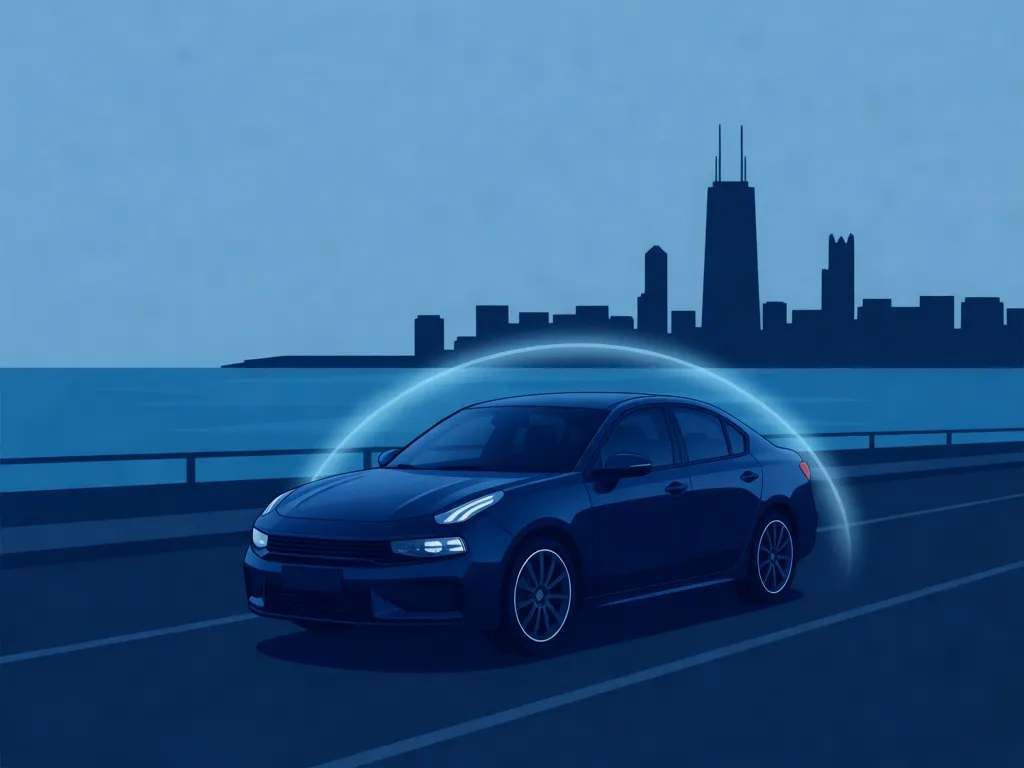
When you search for "Chicago (IL) car insurance quotes," you’re looking for pricing that reflects the city’s unique driving environment. Chicago’s dense traffic, harsh winters, and higher vehicle theft rates all influence how insurers calculate premiums. This guide explains the local market drivers, coverage choices, and a step‑by‑step method to compare quotes so you can make an informed decision.
Read also: San Diego (CA) Car Insurance Quotes: Local Rates, Coverage Tips & Com…
Why Chicago (IL) Rates Differ From Other Cities
Insurance companies use a set of location‑specific variables when pricing policies. In Chicago, the most impactful factors include:
- Traffic congestion: Heavy rush‑hour volumes increase the likelihood of collisions.
- Accident frequency: The city reports a higher per‑capita accident rate than many suburban areas.
- Theft and vandalism: Chicago ranks among the top U.S. cities for vehicle theft, raising comprehensive coverage costs.
- Weather patterns: Snow, ice, and occasional severe storms lead to more weather‑related claims.
- Population density: More drivers per square mile translates to higher claim exposure for insurers.
These elements combine to create a premium environment that can differ markedly from nearby suburbs such as Naperville or Evanston.
Key Coverage Choices for Chicago Drivers
Understanding the core coverages required by Illinois law and the optional add‑ons that make sense in an urban setting is essential.
Mandatory Minimums
Illinois requires at least:
- Liability bodily injury – $25,000 per person / $50,000 per accident
- Liability property damage – $20,000 per accident
- Uninsured/underinsured motorist bodily injury – $25,000 per person / $50,000 per accident
Recommended Add‑Ons for Chicago
Given the city’s risk profile, many drivers consider:
- Comprehensive coverage for theft, vandalism, and weather damage.
- Collision coverage to protect against accidents in dense traffic.
- Personal injury protection (PIP) for medical expenses regardless of fault.
- Rental reimbursement for the high cost of short‑term rentals while your car is in the shop.
- Roadside assistance for winter‑related breakdowns.
Choosing higher limits or lower deductibles will raise premiums, but they can reduce out‑of‑pocket costs after a claim.
How to Compare Quotes Effectively
Comparing rates isn’t just about the headline price. Follow this five‑step process to evaluate each offer holistically.
- Gather accurate driver and vehicle data. Use the same VIN, mileage, and driving history for each quote.
- Standardize coverage levels. Request quotes with identical limits, deductibles, and optional coverages.
- Identify discounts. Look for city‑specific savings such as multi‑policy, safe‑driver, or anti‑theft device discounts.
- Calculate total cost of ownership. Add fees, taxes, and any recurring surcharges to the base premium.
- Review insurer financial strength and claims service. Check A.M. Best or similar ratings and read local consumer reviews.
Using a spreadsheet to track these variables helps you see where a lower price might hide higher fees or reduced coverage.
Common Mistakes Chicago Drivers Make
Even experienced motorists can overlook details that affect their bottom line.
Skipping the “full‑coverage” comparison
Many drivers compare liability‑only quotes with full‑coverage offers, leading to misleading conclusions about price differences.
Ignoring local discount programs
Chicago’s municipal parking authority partners with some insurers to offer reduced rates for drivers who use public transit or car‑share services—benefits that often go unnoticed.
Underestimating the impact of credit scores
Illinois permits insurers to use credit-based insurance scores. A low score can add 10‑20% to a premium, so improving credit before shopping can yield savings.
Choosing a deductible that’s too high
While a higher deductible lowers the monthly premium, Chicago’s accident frequency means you may end up paying the deductible more often than you expect.
Decision‑Making Tips for a Better‑Informed Choice
After you’ve collected standardized quotes, use these criteria to narrow down the best option.
- Price vs. coverage balance: A $50‑per‑month difference is worth it if the cheaper policy omits comprehensive coverage you need.
- Customer service ratings: Quick claims processing is crucial after a downtown collision.
- Financial stability: An insurer with strong ratings is more likely to honor large claims.
- Local claim experience: Look for reviews that mention Chicago‑specific incidents, such as snow‑related damage.
- Policy flexibility: Ability to adjust limits or add riders without excessive fees.
When two insurers appear similar, prioritize the one that offers a higher deductible flexibility or a better digital claims portal, as these features can improve your overall experience.
When to Seek Professional Verification
Because regulations and underwriting criteria evolve, it’s wise to confirm certain details with a licensed professional:
- Exact state‑required minimums if you’re unsure of current Illinois statutes.
- Eligibility for city‑specific discounts, such as the Chicago Safe Driver program.
- Interpretation of policy language around “comprehensive” versus “collision” coverage limits.
- Impact of recent traffic violations or moving violations on your premium.
Contact a local insurance agent or the Illinois Department of Insurance for the most up‑to‑date guidance.
FAQ
What factors make Chicago (IL) auto insurance more expensive than suburban areas?
Higher traffic density, greater accident frequency, elevated theft rates, and winter weather all contribute to higher risk assessments, which insurers reflect in premiums.
Can I get a discount for installing an anti‑theft device on my car in Chicago?
Yes. Most major insurers offer a discount—typically 5‑15%—for factory‑installed or aftermarket anti‑theft systems. Verify the discount amount with each carrier.
Do I need comprehensive coverage if I park my car on a city street?
While not legally required, comprehensive coverage is advisable in Chicago because of the city’s high theft and vandalism rates. It also protects against hail, snow, and falling debris.